As a former Del Mar resident, people ask me all the time what Del Mar is actually like to live in — not the brochure version, but the real daily experience. I've spent years in and around this community, representing buyers who moved here from across the country and sellers who built their lives here for decades. What I can tell you is that Del Mar has a quality that's genuinely hard to put into words and very easy to feel the moment you arrive. Here's my honest take on what life actually looks like in one of North County San Diego's most coveted communities.
— Nikol Klein, Compass Luxury | Del Mar Specialist
If you are thinking about living in Del Mar, you are probably wondering whether it feels like a true beach town or more like a busy destination. The honest answer is both. Day to day, Del Mar offers walkable village routines, easy access to the coast, and a strong outdoor lifestyle, but it can also shift quickly when summer crowds, racetrack visitors, or major events roll in. This guide will help you understand what living in Del Mar is really like so you can picture how it may fit your lifestyle. Let’s dive in.
Del Mar at a glance
Del Mar feels like a compact seaside village with a distinct sense of place. According to the City of Del Mar, the community is set up so you can explore Del Mar Village without needing a car, which shapes how everyday life feels for many residents.
That walkable layout matters more than you might expect. In practical terms, it can mean grabbing coffee, meeting friends for lunch, browsing local shops, or heading toward the beach without planning your whole day around driving and parking.
Daily life feels easy and outdoorsy
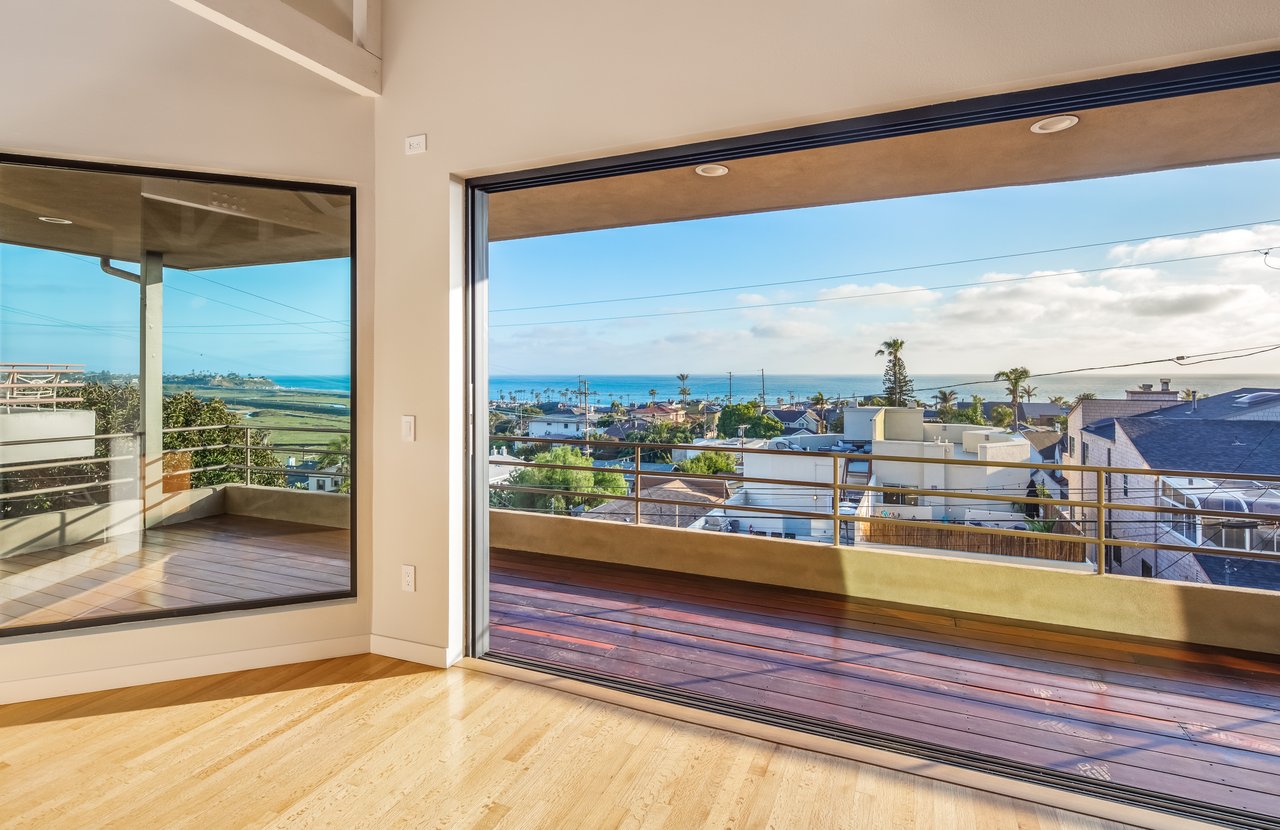
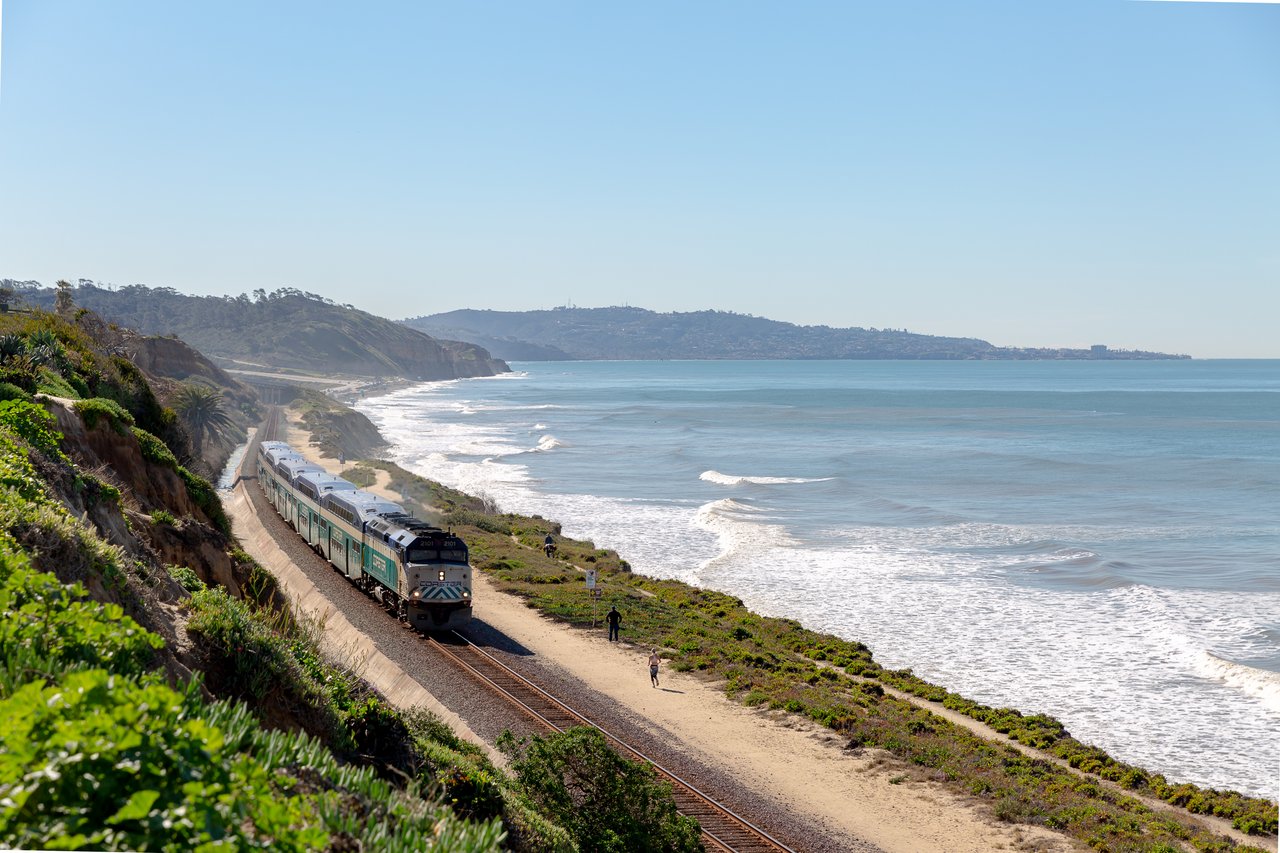
One of the biggest draws of Del Mar is how naturally outdoor living fits into your routine. The city highlights more than two miles of beach along with parks, coastal bluffs, and nearby open space that support walking, running, surfing, paddling, fishing, and other outdoor activities through the year.
This is not the kind of place where the beach feels separate from everyday life. In Del Mar, getting outside can be part of your normal morning or evening, whether that means a walk along the sand, time at a bluff-top park, or a jog near the coast.
Beach access is part of the routine
Beach access is central to the Del Mar lifestyle. The city points to local favorites like Powerhouse Park, Seagrove Park, and Del Mar beaches, all of which help make the coastline feel woven into daily living rather than saved for special occasions.
The city also notes that lifeguards patrol 2.2 miles of beach year-round from 9 a.m. until a half hour after sundown, which adds another layer of support for regular beach use. That kind of year-round service reflects how active and consistent beach life is here.
Trails and nature stay close by
If you want more than sand and surf, Del Mar also gives you access to nearby natural areas. The city highlights open-space options including Torrey Pines State Park, Crest Canyon, Scripps Bluff Preserve, and the San Dieguito River Lagoon.
The RiverPath project area and surrounding lagoon trail network are used for walking, jogging, birdwatching, and photography. So even if your ideal day is not a beach day, you still have easy ways to stay active and connected to the landscape.
The village is the social heart
A big part of what makes Del Mar stand out is its village core. This is where the walkable, social side of town becomes most obvious, with restaurants, shops, gathering spaces, and a steady rhythm of casual activity.
The city describes Del Mar Village as a place with independent shops, boutique hotels, and a mix of casual and upscale dining. That mix gives the area a lived-in feel, not just a visitor feel.
Dining and coffee are built into the lifestyle
If you enjoy being able to step out for a casual meal or meet someone for coffee without much planning, Del Mar supports that well. The Del Mar Village dining directory includes everything from coffee shops and tacos to pizza, burgers, wine bars, and more elevated dining.
That variety helps make the village useful in real life. You can keep things simple on a weekday or make an evening out of it when you want something more special.
Saturdays have a local rhythm
The weekly farmers market is another part of the routine that helps Del Mar feel connected and active. Del Mar Village Association notes that the farmers market runs year-round on Saturdays from 1 to 4 p.m. at Civic Center Plaza.
For many people, that kind of standing weekend event helps define what living somewhere actually feels like. In Del Mar, a Saturday can easily include produce shopping, a meal in the village, and a walk through town.
Del Mar can get busy fast
This is one of the most important realities to understand before you move. Del Mar is charming and compact, but it is also a destination.
The city says Del Mar attracts upwards of 2 million visitors annually, and the Del Mar Fairgrounds host around 300 events each year that draw roughly 3 million visitors annually. That helps explain why the town can feel calm and relaxed one day, then much more crowded the next.
Summer and event days feel different
If you visit Del Mar on a quiet weekday morning, you may get a very different impression than you would on a summer weekend. The city notes that summer beach parking can fill by noon, and some City Hall spaces are used by the farmers market on Saturdays.
That does not make Del Mar less appealing, but it does shape daily logistics. If you live here, you learn the rhythm of the town and plan around busier times, especially during the summer, race seasons, and major Fairgrounds events.
Different parts of Del Mar feel different
Del Mar is small, but it does not feel the same block to block. Based on the city’s design guidelines, each area has its own character and daily experience.
Village core feels most walkable
The village core is the most social and pedestrian-oriented part of Del Mar. The city’s downtown improvements added sidewalks, landscaping, street furniture, and other features that support walking and street activity.
If your priority is being close to coffee, dining, shops, and an active village feel, this area may stand out most. It is where the compact nature of Del Mar is easiest to experience.
North Beach feels closest to the coast
The design guidelines describe the North Beach and Beach Colony area as the most ocean-close and relatively dense, with a grid street pattern, narrow streets, and smaller lots. In everyday terms, this area feels closely tied to the beach and more urban in layout than other parts of Del Mar.
It also connects to one of Del Mar’s most recognizable lifestyle features: North Beach, often called Dog Beach. The city explains that dog beach access rules change by season, with off-leash access allowed in certain stretches during the off-season and more limited summer rules.
South Beach feels greener and calmer
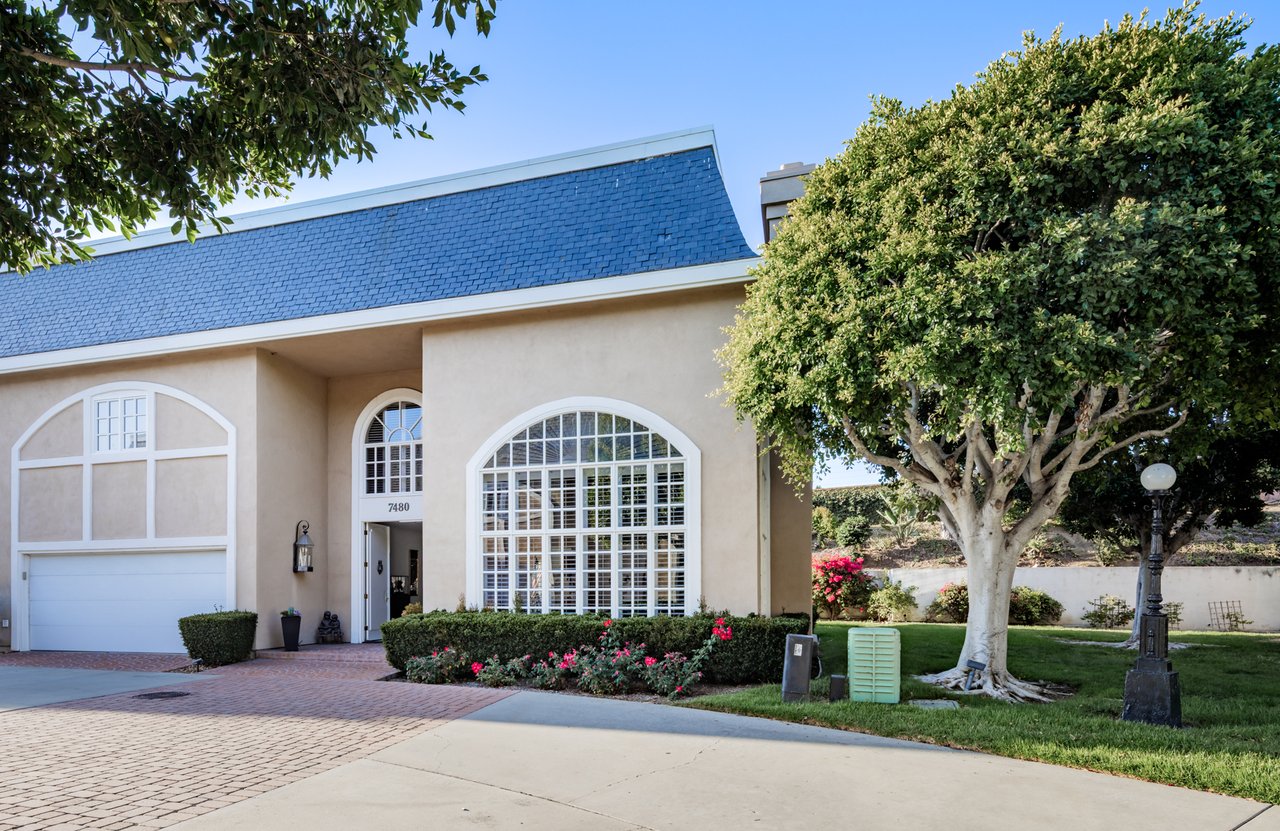
According to the city guidelines, South Beach sits a bit higher than North Beach and includes flat or gently sloping lots, a mix of single-family and multifamily homes, and more landscaping and older trees. That creates a coastal feel that may read as slightly calmer and greener.
For some buyers, that balance is appealing because it still offers proximity to the shoreline while feeling a little more tucked away from the busiest beach blocks.
North Hills feels more tucked away
North Hills has a different texture from the beachside sections of Del Mar. The city describes it as hillside terrain with winding streets, sloped lots, canyons, and mature trees.
With trail connections and access to nearby natural areas, this side of Del Mar can feel more private and nature-oriented. If you want Del Mar’s coastal location but prefer a more tucked-away setting, this area may feel very different from the village or beach blocks.
Dog-friendly living is a real perk
For dog owners, Del Mar has a reputation that is supported by real infrastructure and local rules. North Beach is a major part of that lifestyle, and the city provides clear seasonal guidelines for access and leash requirements.
The key point is that Del Mar is dog-friendly, but not in a free-for-all way. It works because there is structure, and residents who enjoy that access usually benefit from understanding the seasonal rules before they go.
What living in Del Mar is really like
At its core, Del Mar offers a lifestyle built around short distances, outdoor routines, and a village setting that feels distinct from larger coastal communities. You can walk to coffee, spend time at the beach, browse the farmers market, and enjoy easy access to parks and open space.
At the same time, it is important to understand that Del Mar is not sleepy all the time. Its small size, visitor draw, and full event calendar mean the atmosphere can shift quickly, especially during summer and major event weekends.
If you are considering a move here, the right fit often comes down to which part of Del Mar matches your pace and priorities. If you want help understanding the different pockets of Del Mar or exploring homes that match your lifestyle goals, connect with Nikol Klein for strategic, local guidance.
FAQs
What is daily life like in Del Mar, California?
- Daily life in Del Mar often centers on walkable village errands, beach access, outdoor recreation, and a mix of quiet weekdays and busier weekends or event days.
Is Del Mar a walkable place to live?
- Yes. The City of Del Mar says you can explore Del Mar Village without needing a car, especially in and around the village core.
Does Del Mar feel busy year-round?
- Not all the time. Del Mar can feel calm during quieter periods, but summer weekends, racetrack seasons, and Fairgrounds events can make it noticeably busier.
Is Del Mar good for dog owners?
- Del Mar is notably dog-friendly because of North Beach, but access and leash rules change by season, so it helps to review the city’s guidelines.
Which part of Del Mar feels most walkable?
- The village core generally feels most walkable because it is the most pedestrian-oriented area and close to shops, dining, and everyday village activity.
What outdoor activities are popular in Del Mar?
- Popular activities in Del Mar include walking, running, surfing, paddling, fishing, beach outings, bluff-top visits, and trail use near the lagoon and canyon areas.
Del Mar is one of those communities where buyers arrive for a weekend and start looking for homes by Sunday. If you're thinking about making a move here — whether you're relocating from out of state or moving up the coast from elsewhere in San Diego — I'd love to give you the insider perspective that goes beyond what you'll find on any listing search.
→ Explore our Del Mar neighborhood guide at soldbynikol.com/neighborhoods/del-mar
→ Or reach out directly: [email protected] | (858) 336-9816
— Nikol Klein | Top 1% Luxury Agent | CA DRE #01982201